
Toowoomba's Local Landscaping Team
Sustainable Landscaping in Toowoomba
Sustainable landscaping in Toowoomba & the Darling Downs. Water-wise, low-impact, eco-friendly garden design.
- Servicing All of Toowoomba
- Free Design Consultations
- Mon–Sat, 7am–5pm
A few years back, a homeowner over in Rangeville told us she felt a bit guilty every time she dragged the hose out. Her garden looked lovely enough, but keeping it that way meant town water running all through summer, a shed full of chemical sprays, and a green bin that never stopped filling up. She wanted something different. Something that still looked beautiful, but didn't cost the earth to run — literally and figuratively.
That's really what sustainable landscaping is about. Not a sparse, scruffy patch of dirt with three lonely shrubs and a “we gave it a go” vibe out front. A proper, gorgeous garden that just happens to tread a whole lot lighter — on the planet, on your water bill, and on your weekends.
And here's the thing plenty of people get told wrong: going eco-friendly doesn't mean going without. A sustainable garden can be every bit as lush, green, and impressive as any other. Often more so, because it's built to actually thrive in our conditions rather than fight them.
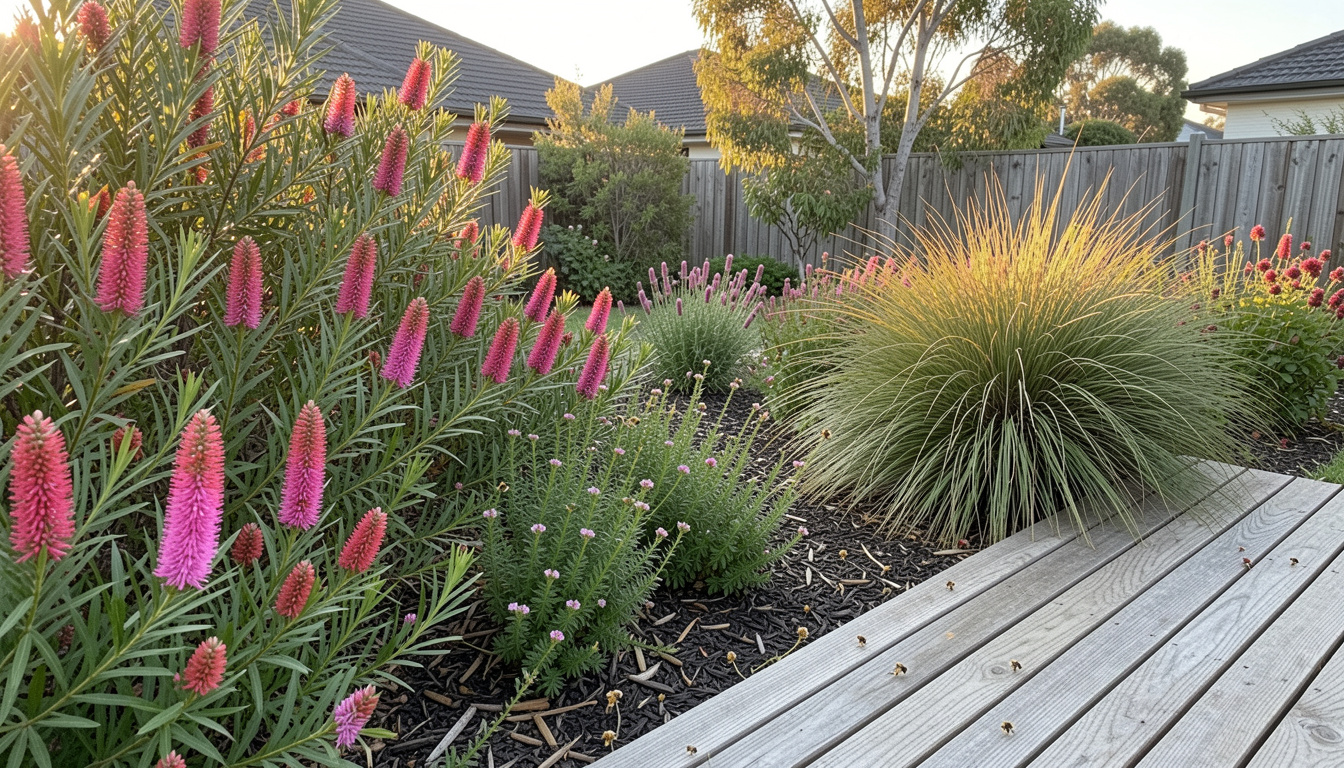
We've spent years designing and building gardens right across Toowoomba and the wider Darling Downs — Rangeville, Centenary Heights, Middle Ridge, Kearneys Spring, and the surrounding towns. We know this patch of the world. The frosts that catch people out. The soil that behaves nothing like the coast. The wet season that floods one corner and leaves another bone dry. That local knowledge is baked into every sustainable garden we put in.
We'll also be straight with you. Sustainability gets slapped on a lot of things these days as a marketing label, and you've probably learned to be a little sceptical of it. Fair enough. So we won't bury you in green buzzwords. Every claim on this page points to something real — a named plant, an actual material, a system that does what we say it does. This is a genuine way of designing gardens, not a sticker we put on the brochure.
The Six Pillars
What Makes a Garden Sustainable
“Sustainable” gets thrown around so much it's almost lost its meaning, so let's be concrete about it. A sustainable garden isn't one thing. It's a handful of pillars working together, and a garden that only ticks one of them isn't really the full picture. Here's what we mean when we build one.
Water
Smart planting that sips rather than guzzles, rainwater captured off your roof and stored in tanks, and irrigation that puts water exactly where it's needed instead of spraying it into the air on a hot afternoon. Water is such a big piece of this that we've given it its own page — head over to our drought-resistant garden design page for the water-specific detail.
Plants
Locally adapted and native species chosen because they actually belong here on the Darling Downs. Get the plant choice right and the garden more or less runs itself, thriving on rainfall and good soil instead of constant feeding and fussing.
Soil
Healthy soil is living soil, full of worms and microbes and organic matter. We build it up with compost and mulch, and we disturb it as little as possible. Good soil holds water better, feeds your plants for free, and means you're not reaching for a bag of fertiliser every few weeks.
Materials
Recycled, reclaimed, and locally sourced hardscaping wherever we can. A reclaimed timber sleeper or a load of local stone carries a fraction of the carbon and the transport miles of something shipped across the country. It usually looks better with age, too.
Biodiversity
Planting that gives something back — habitat and food for native birds, bees, and the pollinators that keep everything ticking. A garden buzzing with life isn't just nice to sit in. It's a healthier, more resilient garden.
Reduced Inputs
The best sustainable design quietly removes the need for the chemical fertilisers, the pesticides, and the heavy weekend maintenance in the first place. Design the problem out and you're not fighting it forever.
Get all six pulling in the same direction and you've got a garden that's genuinely eco-friendly — not just a normal garden with a green label stuck on the front.
Our Sustainable Design Approach
Here's the part that separates real sustainable garden design from the bolted-on version: it has to be baked in from day one. You can't build a garden the usual way and sprinkle a bit of “green” over the top at the end. It doesn't work like that.
So before we draw a single line, we get out on site and get our hands in your dirt. We look at your soil — what type it is, how it drains, what it's already carrying — because Toowoomba soil varies street to street, and a garden that ignores that is a garden that struggles. We check where the sun tracks, where the water sits after a downpour, and where the frost pools on those cold Darling Downs mornings.
Then we work with your block, not against it. If you've got established trees or good existing vegetation, our first instinct is to keep them and design around them, not bulldoze the lot and start from scratch. Mature plants are years of growth you already own — throwing them out is wasteful in every sense. We follow the natural contours of the land for drainage and shape rather than flattening everything and fighting gravity later.
Sourcing gets decided early too. We're thinking about where the materials come from, how far they've travelled, and whether there's a reclaimed or local option that does the job just as well. And every choice gets weighed against one question: how will this perform in five, ten, fifteen years with as little water, chemical, and effort as possible? A garden that looks great on install day but needs babying forever isn't a sustainable one.
It's engineered in from the start. That's the whole point of hiring someone who designs this way.
Local, Native and Habitat Planting
This is where local knowledge earns its keep. Anyone can pull a list of “Australian natives” off the internet. Knowing which ones actually thrive on the Darling Downs — and which ones sulk, sook, or die the first cold snap — that only comes from years of putting plants in the ground around here and watching what happens.
We lean on species that are locally indigenous or well suited to our region: plants that evolved to handle our rainfall patterns, our soils, and our seasons. Chosen well, they establish quickly, need barely any extra water once they're settled, and shrug off the pests and diseases that plague fussier imported varieties. Less input, less maintenance, less heartache.
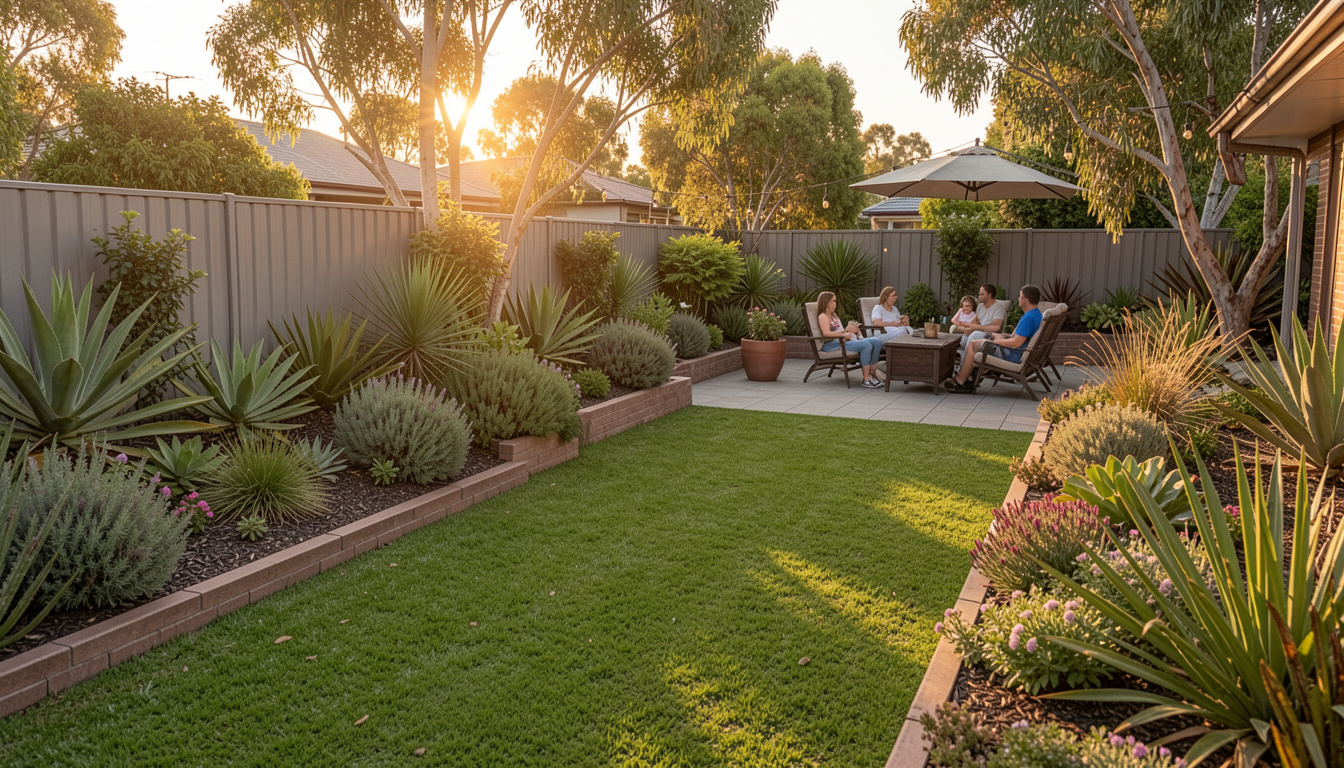
And we plant with the wildlife in mind, not just the look. Grevilleas, callistemons, and local flowering natives bring in the honeyeaters and the native bees. Dense shrubs give small birds somewhere to shelter. A garden that feeds and houses local wildlife is a garden that's alive — and a living garden looks after itself far better than a sterile one ever could.
One honest word, and it's the same one we carry across all our pages: Toowoomba sits high, and we get real frosts. Plenty of the tender, tropical-looking natives you'll see thriving up in Brisbane will not survive a Darling Downs winter. We won't sell you a plant that's going to turn to mush in July just because it looks good in the catalogue. Part of doing this properly is picking things that'll still be standing this time next year.
Sustainable Materials and Water Systems
This is the section where the ethos either proves itself or falls apart. Anyone can say sustainable. The materials and systems are the part you can point at and check.
On the hardscaping side, we work with the tangible stuff.
Reclaimed and Recycled Timber
For sleepers, screens, decking, and garden edging — full of character, and saved from landfill or a fresh log.
Permeable Paving
Lets rain soak straight back into the ground instead of sheeting off into the stormwater drain. Less runoff, less erosion, and your soil gets a drink every time it rains.
Local Stone and Locally Sourced Materials
Cuts the transport miles right down and ties the garden into the look of the region.
On the water side, we design gardens that catch and keep what falls for free.
Rainwater Harvesting
Tanks plumbed to capture roof runoff, ready to feed the garden through the dry months so you're leaning far less on town water.
Greywater Considerations
Where it suits your setup, putting water from the house to work on the garden a second time.
Every one of these is something real you can see and touch when the job's done. That's deliberate. On this topic, a page full of green adjectives with nothing behind it isn't worth much.
Thinking your garden could tread a lot lighter? Get in touch for a sustainable landscaping consultation. We'll walk your block, talk through what's possible, and give you an honest, no-pressure quote. Call us at (07) 4580 2889 or request a quote below.
Lower Impact, Lower Maintenance, Lower Cost Over Time
Now, plenty of people come to us caring deeply about the environment, and that's brilliant. But sustainable landscaping isn't only for them, and it's not charity work you do at your own expense. The payoff is real, and it lands squarely in your favour.
A garden built this way costs less to run. Water-wise planting and captured rainwater mean smaller water bills, especially through those long dry stretches. Design out the chemicals and you're not forever buying sprays and fertilisers. Healthy soil and the right plants mean your weekends are yours again, not swallowed by mowing, feeding, and replacing things that keep dying.
It's tougher, too. A garden made of plants that belong here and soil that holds moisture rides out a heatwave or a dry spell that would flatten a conventional garden. Less stress, fewer replacements, more resilience baked in.
And it holds its value. A lush, established, low-maintenance garden is exactly the kind of thing that lifts a property and makes a home feel finished. You're not just spending money — you're building something that keeps paying you back, year after year.
Good for the planet, easier on your time, kinder to your wallet. You don't have to choose.
Recent Projects
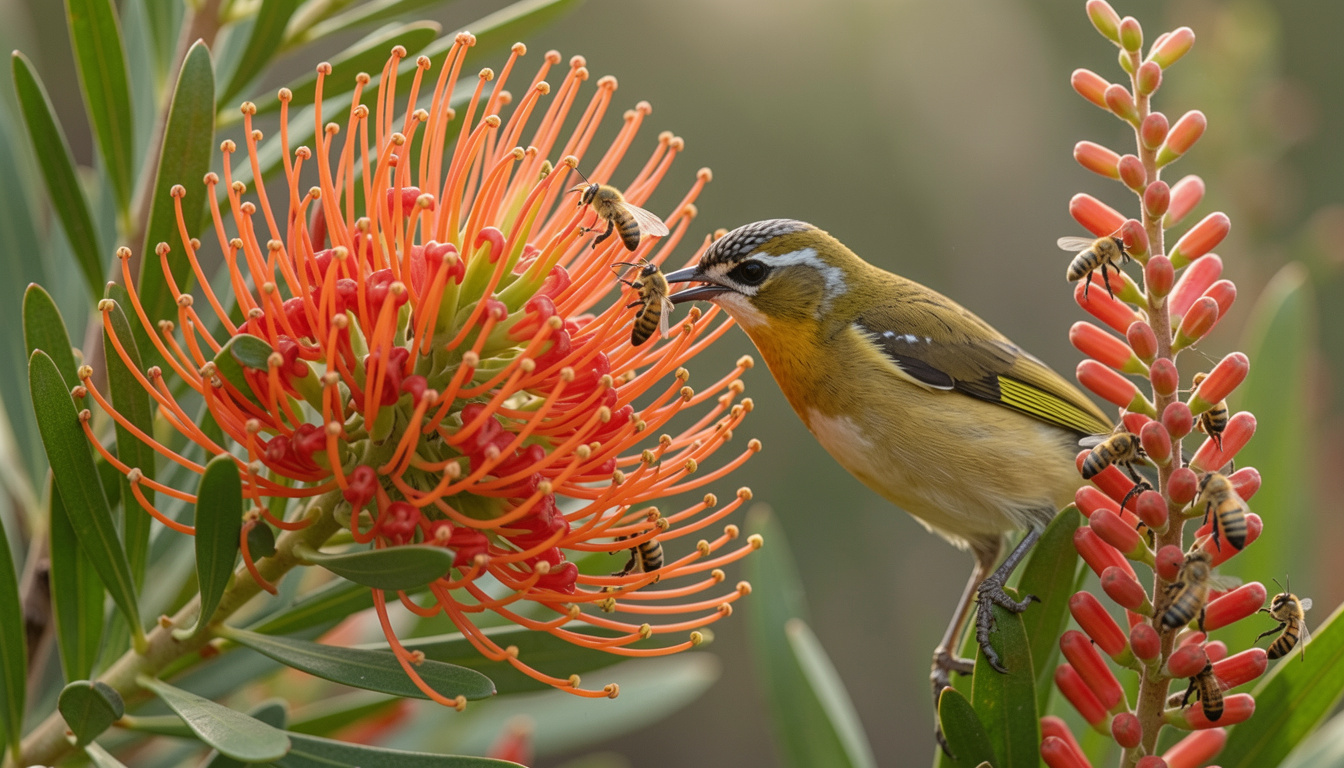
Here's the assumption we most love to knock over: that a sustainable garden has to look sparse, dry, or a bit scruffy. Our recent work across Toowoomba and the Darling Downs says otherwise. Lush, established gardens humming with birds and bees. Cool, green outdoor spaces you'd happily host a party in. Front yards that turn heads for all the right reasons — all built on water-wise planting, reclaimed materials, and living soil.
Why Homeowners Trust Us
We build across Toowoomba and the wider Darling Downs — Rangeville, Centenary Heights, Middle Ridge, Kearneys Spring, and the surrounding towns. Local, on the ground, and here for the long haul.
Real Local Experience
Years of designing and building gardens in exactly these conditions, frosts and all.
Honest, Verifiable Practice
Named materials, named plants, real systems. No greenwashing.
Ready for a Garden That Treads Lightly?
You can have a garden that's genuinely beautiful and genuinely kinder — to the environment, to your time, and to your budget. It's not a trade-off. It's just good design, done by people who know this region and do it properly. Let's talk about your block. We offer sustainable landscaping across Toowoomba and the Darling Downs, and we'd be glad to show you what's possible for your place.
Book Your Free ConsultationFrequently Asked Questions
Does a sustainable garden cost more to set up than a normal one?
Not necessarily, and often it's about the same up front. Where sustainable landscaping in Toowoomba really pays off is over the years that follow — smaller water bills, no constant chemical spend, and fewer plants dying and needing replacing. You're spending smarter, not just more.
How long before my new sustainable garden actually looks established?
Most gardens we plant across the Darling Downs start filling in nicely within a season or two, and the locally adapted species we use settle in faster than fussier imports. The trick is choosing plants that belong here so they get on with growing instead of struggling. Give it a full year and you'll wonder how it ever looked bare.
Will a low-water garden survive a Toowoomba frost?
This is exactly why local knowledge matters — plenty of water-wise plants that thrive up in Brisbane will turn to mush in our winters. We only plant things that can genuinely handle a Darling Downs frost, so your garden holds up cold mornings and all. You won't be replacing dead plants come spring.
Is a sustainable garden really low-maintenance, or is that just a nice idea?
It's real, and it's the part our busy Toowoomba clients love most. When the plants suit the climate, the soil's healthy, and the design's done right, the garden mostly runs itself — no endless weekends of feeding, spraying, and fussing. You get your Saturdays back for the family instead of the hose.
Can you make my existing garden more sustainable, or do you have to start from scratch?
We'd much rather work with what you've got. Established trees and healthy plants are years of growth you already own, so we design around them and build up your soil rather than bulldozing the lot. Often we can transform a tired garden without ripping everything out.
Do you handle drainage as part of a sustainable design?
Absolutely, and it matters a lot around here given how our wet season floods one corner and leaves another bone dry. We use permeable paving and smart contouring so rain soaks back into your soil instead of sheeting off into the drain. Your garden gets a free drink and you avoid the boggy patches Toowoomba blocks are known for.