
Toowoomba's Local Landscaping Team
Garden Edging Installation in Toowoomba
Steel, timber, besser block or poured concrete — edging built to hold its line against Toowoomba's reactive clay. Free design consultation.
- Free Design Consultation
- Fully Licensed & Insured
- Mon–Sat, 7am–5pm
Once the water's sorted, structure comes next. Clean edging is the quiet detail that separates a considered garden from a messy one — the kind of finishing touch that turns "we've done some gardening" into a yard that actually reads as designed. It's rarely the thing anyone points at directly, but it's exactly what they notice when it's missing.
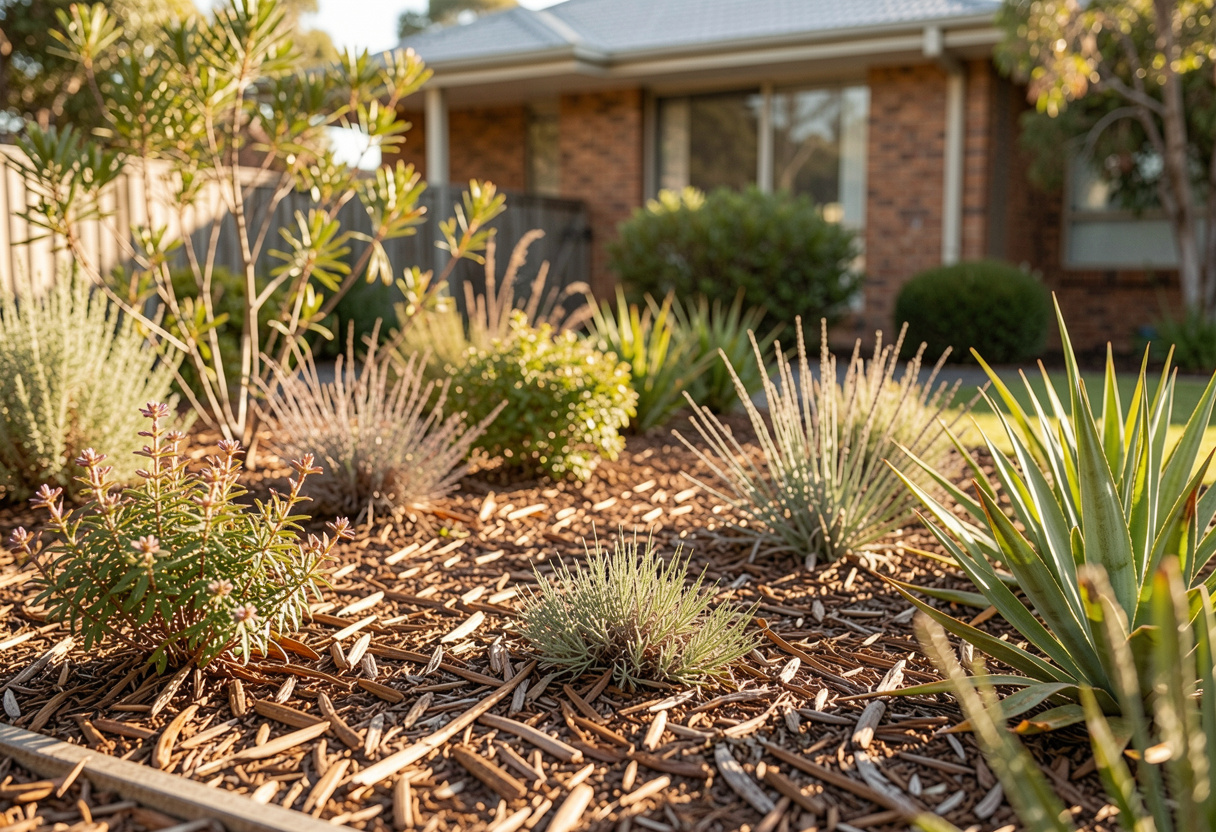
Our garden edging service defines your beds, holds mulch and soil where you put them, stops kikuyu and buffalo runners creeping into your garden, keeps the mower line crisp, and gives the whole yard that finished, established look neighbours notice from the footpath.
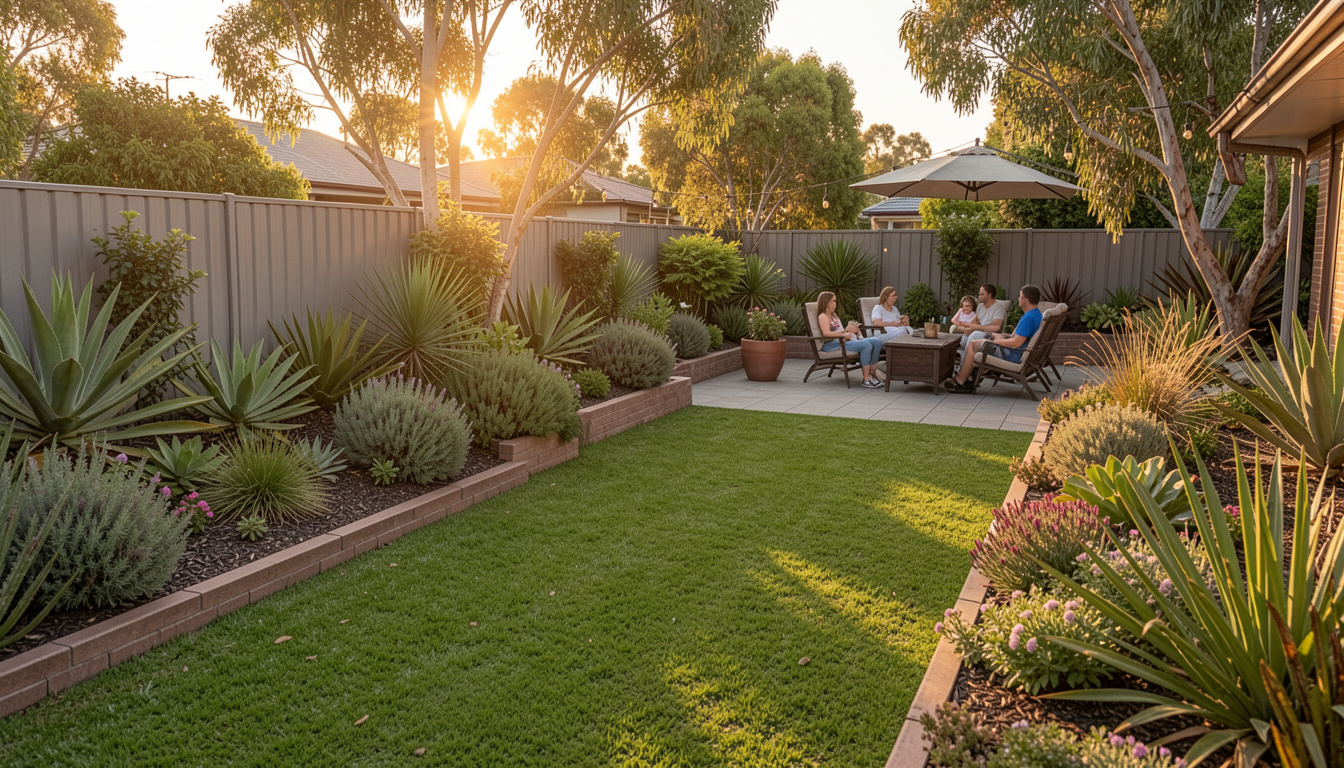
Garden edging is one of the finishing details we build into our wider landscape architect projects, once the drainage and levels are settled — and it's just as often the single upgrade that pulls an existing garden together in a weekend.
Not sure which material suits your yard? Call us at (07) 4580 2889 or book a free design consultation below.
Why Edging Matters More in Toowoomba
Anywhere else, edging is mostly about looks. Up here on the Downs, it's doing real work.
Our reactive clay swells through the wet and pulls back tight when it dries, and that constant movement shifts anything sitting loosely on top of it — including a bed line you cut freehand with a spade last spring. A proper edge, installed to the right depth, holds its position through that seasonal movement instead of slowly wandering.
Then there's the mulch. A Toowoomba downpour doesn't drizzle, it dumps, and loose mulch and garden soil without a physical barrier ends up washed across the lawn or into the gutter within the first big storm of the season. A well-installed edge keeps your garden materials exactly where you paid to put them.
And if you're fighting kikuyu or buffalo runners creeping into your garden beds every few weeks, that's an edging problem as much as a lawn problem. The right material, installed deep enough, is one of the most effective ways to stop that invasion for good.
Find the Right Material
Choose Your Edging
No single material suits every bed or every budget, so here's the range we install most across Toowoomba.
Steel & Aluminium
Sleek, low-profile and flexible enough to handle clean curves and our reactive clay. The most popular pick for modern beds.
Timber
Warm and classic, suited to cottage and native gardens. Needs replacing sooner than steel or concrete in our climate.
Besser Block & Brick
Permanent, robust and often doubles as a low retaining edge on a sloped bed.
Natural Stone & Pavers
A softer, more organic line that suits established or naturalistic gardens.
Poured Concrete Mow Strips
The ultimate low-maintenance option — mow straight over it, no trimming, no gap for grass to sneak through.
Not sure which is right for your beds? That's exactly what the design consultation sorts out — we'll match the material to your soil, your style and how much upkeep you actually want.
Installed to Handle the Ground It Sits In
Edging looks simple from the footpath, but the part that decides whether it still looks sharp in five years is the bit you can't see — how deep it's set, and how the base underneath it is prepared.
Get that wrong on Toowoomba's reactive clay and you get exactly what you'd expect: edging that heaves out of the ground after a wet season, gaps that open up under a fence line of buffalo grass, corners that lift and crack. We set every edge to a depth and base that respects how this ground actually moves, so the line you install is the line you're still looking at years later.
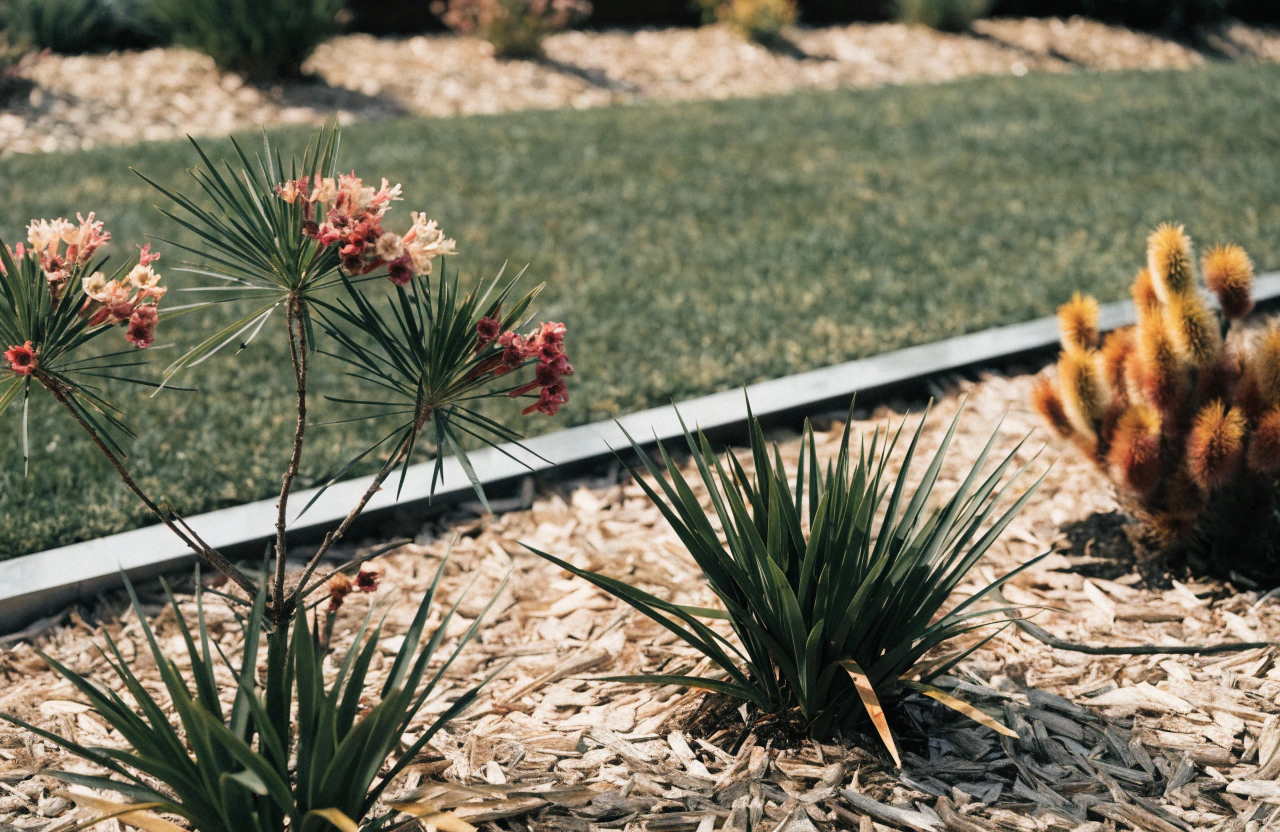
Edging finishes off the structure started by our drainage and irrigation work, and it pairs naturally with a fresh mulch top-up once the beds are defined. See the full range on our main landscape architect page.
Give Your Garden Beds a Line They'll Actually Hold
Whether it's one messy bed or the whole yard, the first step is the same easy one — a free design consultation where we'll match the material to your soil and your style.
Get a Free QuoteGarden Edging Installation: Frequently Asked Questions
How much does garden edging cost in Toowoomba?
It depends on the material and the length of bed you're edging — steel edging along a straightforward bed sits at one end, a full besser-block or poured concrete mow strip around a whole backyard at the other. We give you a clear figure at the site visit, based on your actual beds, not a generic per-metre guess.
What's the best type of garden edging for Toowoomba's clay soil?
Steel and aluminium edging handle our reactive clay best, because they flex slightly with ground movement instead of cracking. Concrete and besser-block edging can work too, but they need footings that respect how the clay swells and shrinks, or they'll heave and crack within a season or two. We pick the material and the installation depth to suit your ground, not just the look.
Will edging actually stop grass and weeds invading my garden beds?
A properly installed physical edge — steel, aluminium, concrete or besser block set to the right depth — is one of the most effective ways to stop kikuyu and buffalo runners creeping into your beds. Timber and loose stone edging look great but let determined grass through eventually, so if stopping invasion is your main goal, we'll steer you toward the materials that actually hold the line.
Can you install edging around an established garden without disturbing it?
Yes, and it's one of the most common jobs we do. We work carefully around existing root systems and established plants, cutting the edge line by hand where it matters, so you get the crisp, defined finish without losing the garden you've already grown.
How long does garden edging last?
Done properly, steel and aluminium edging can last decades with barely a thought, and concrete or besser-block edging is essentially permanent. Timber edging has the shortest lifespan in our climate, typically 8 to 12 years before it needs replacing, though treated hardwood holds up better than softwood.
Is garden edging something I could do myself, or is it worth hiring a professional?
A short, straight run of basic edging is a reasonable DIY job. Where it gets tricky is curves, level changes, and our reactive clay — get the base preparation wrong and even good materials will heave, gap or go crooked within a year. If you want it to still look sharp in five years, that groundwork is where professional installation earns its keep.